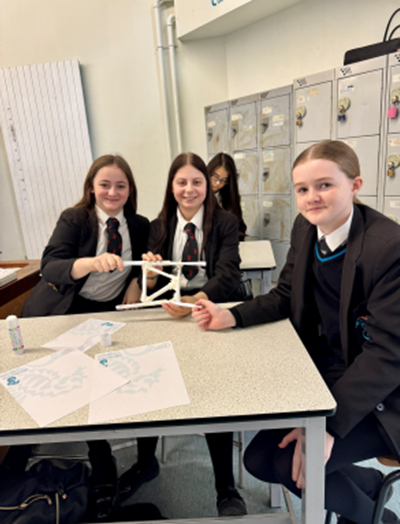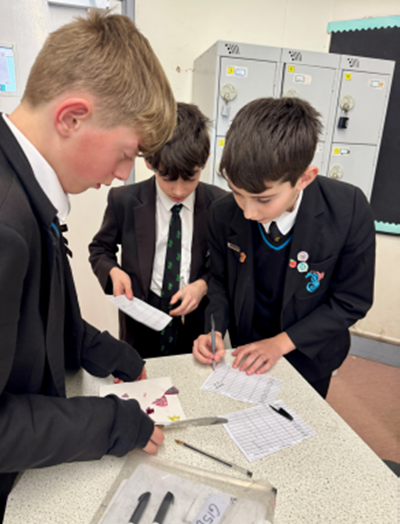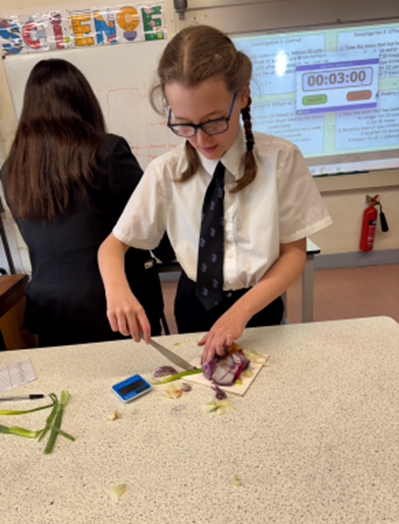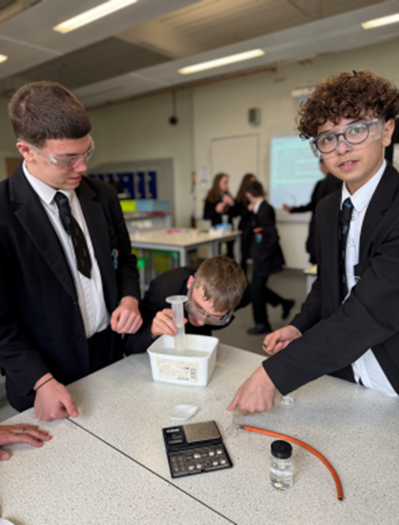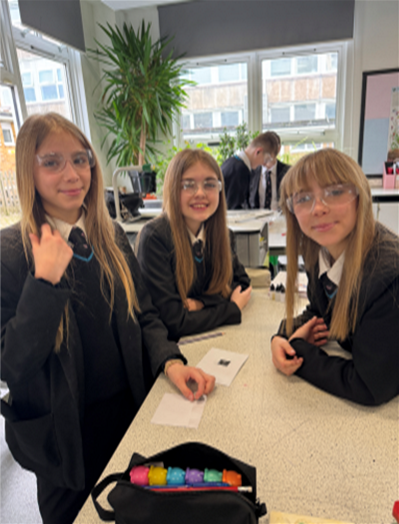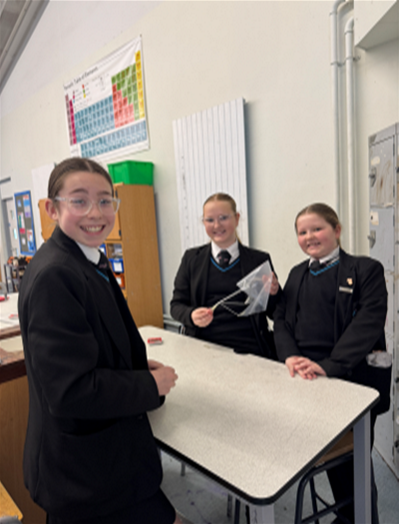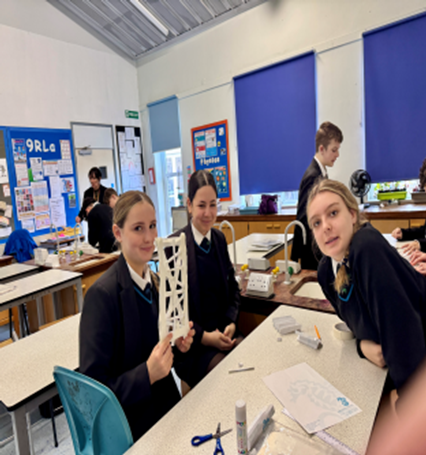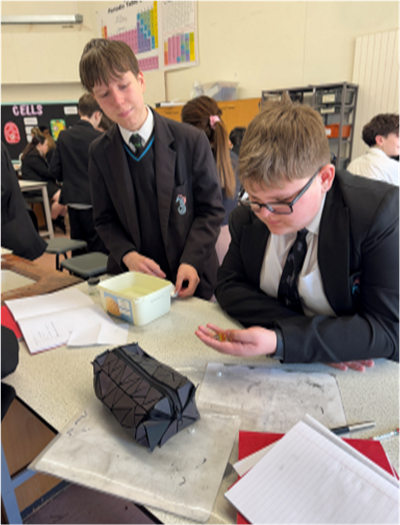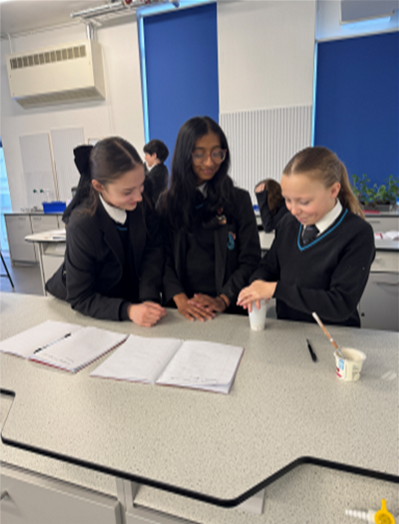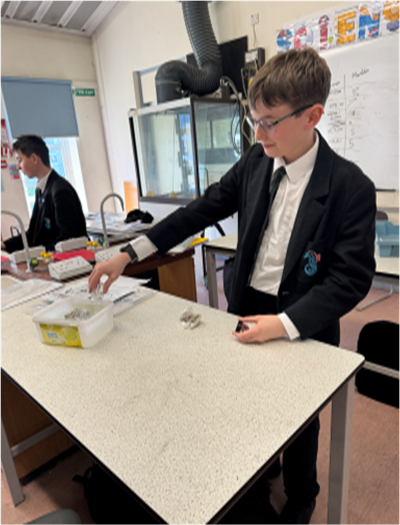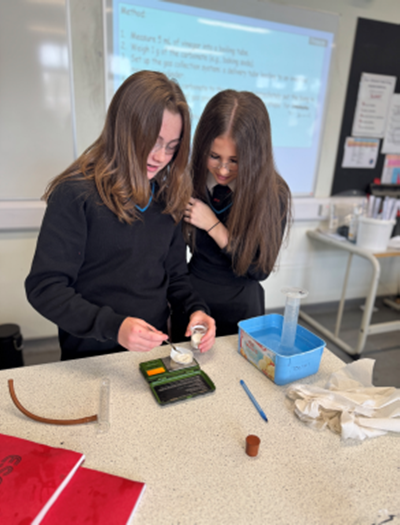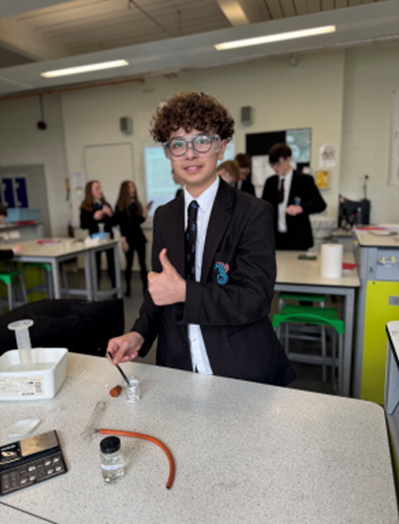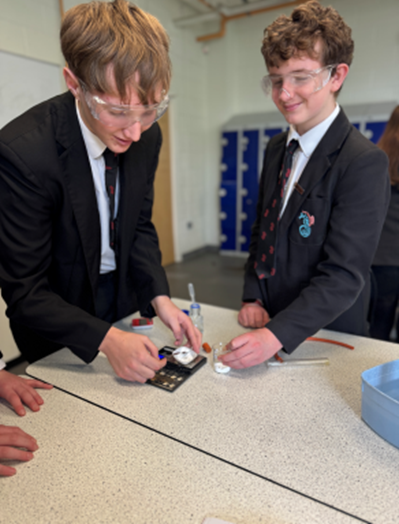
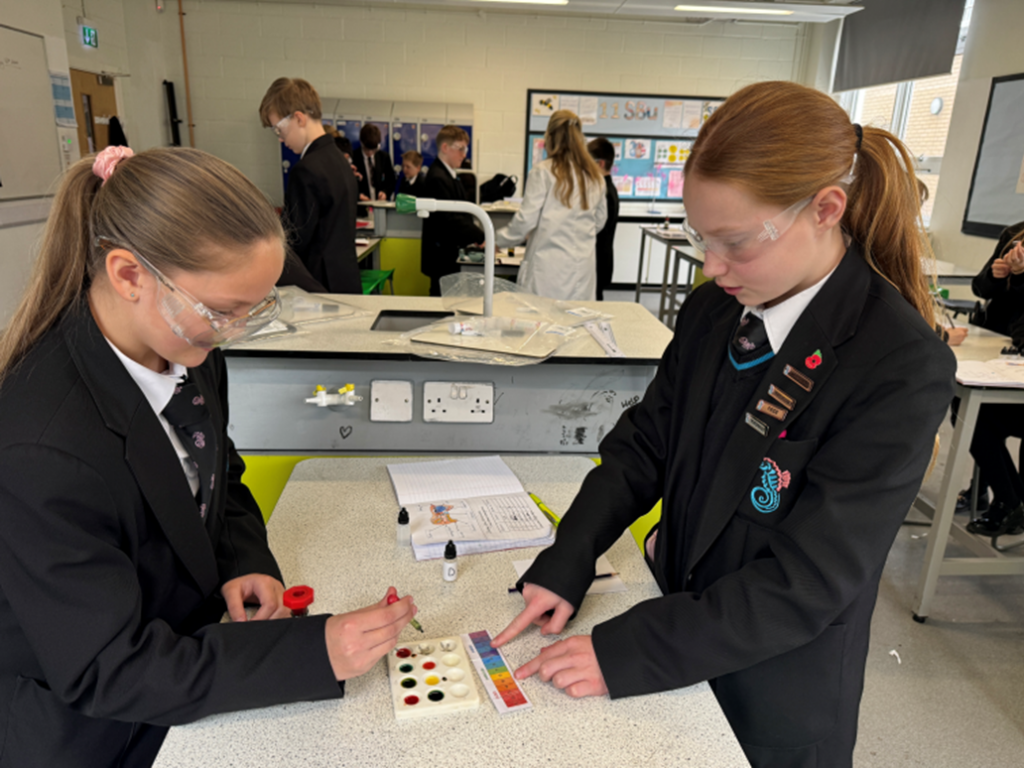
This week we celebrated Science, Technology, Engineering and Maths during National STEM Week 2026. This year’s theme, “Curiosity – What is your question?”, encouraged students to explore scientific ideas through hands-on investigation and practical experiments.
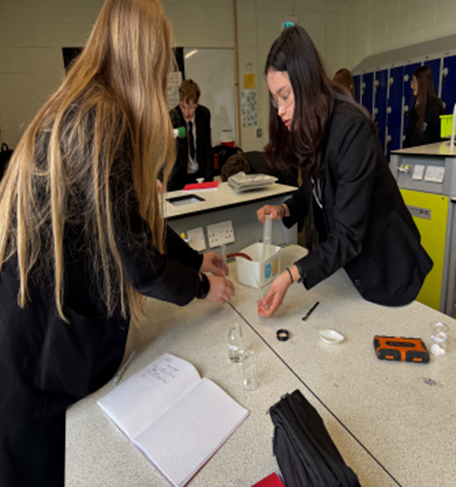
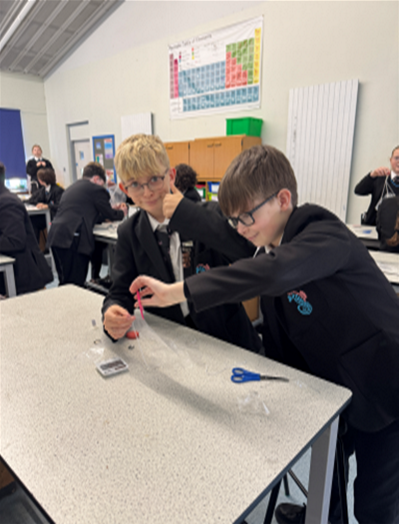
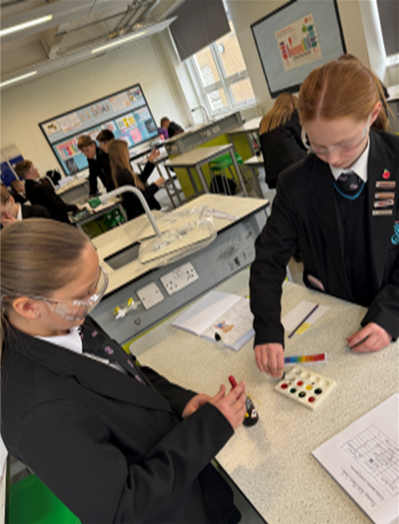
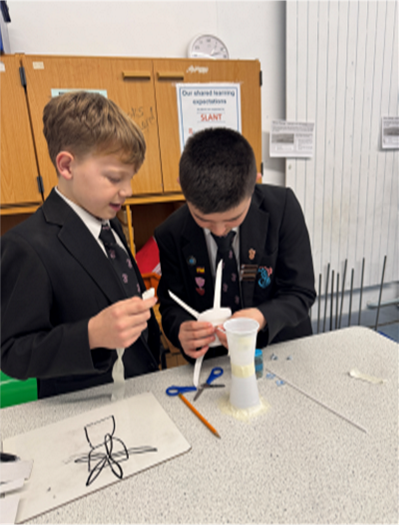
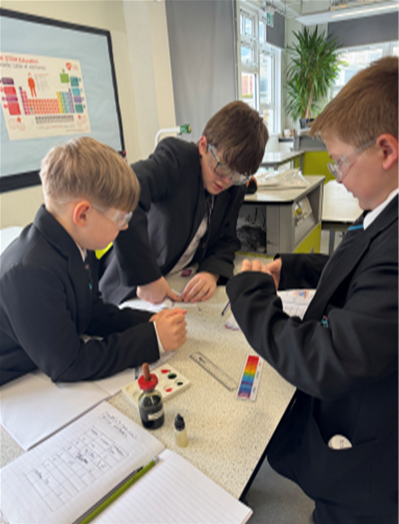
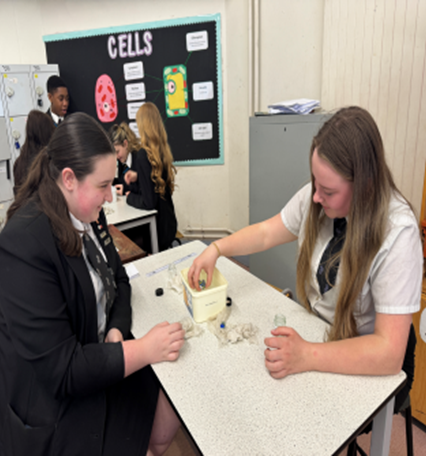
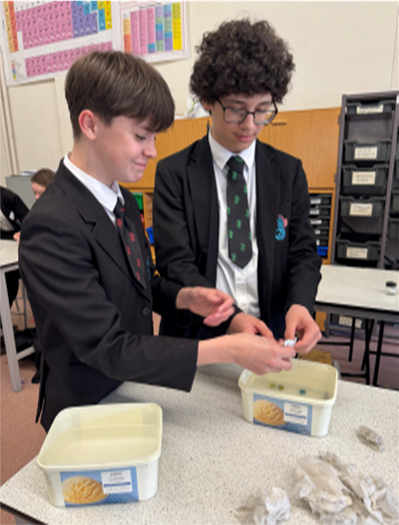
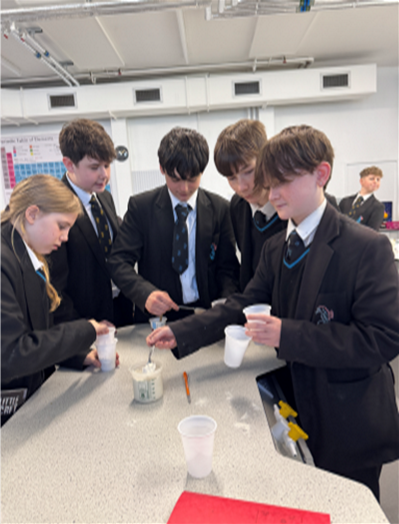
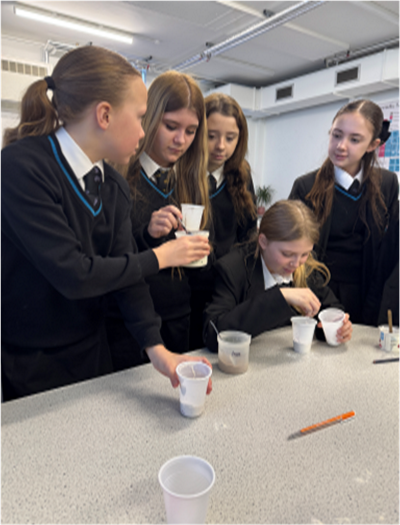
Our Year 7 students explored four exciting challenges. They designed wind turbines to test which blades spin the fastest, investigated parachute shapes to see which falls the slowest, built water filters to explore how clean drinking water could be produced for space missions, and carried out a crime scene investigation to identify unknown substances using forensic techniques.
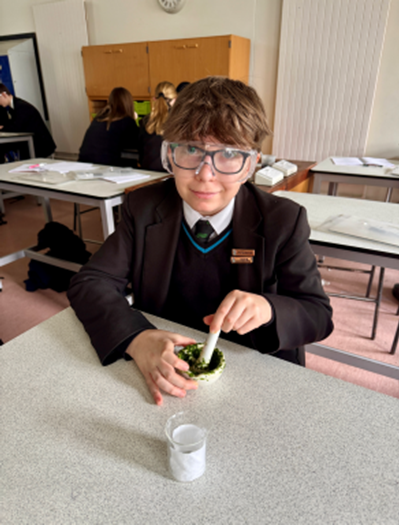
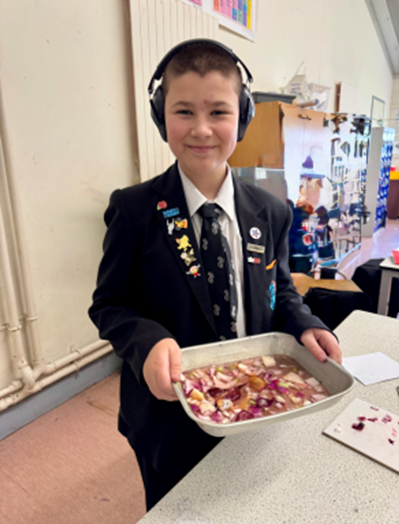
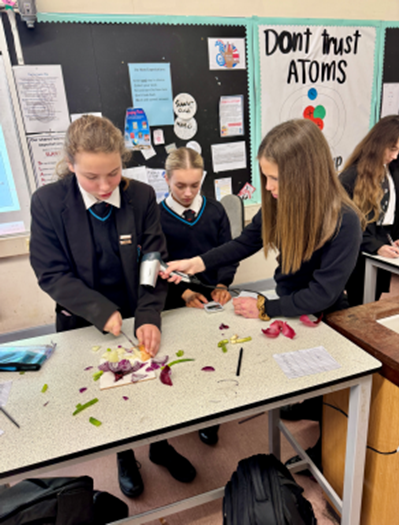
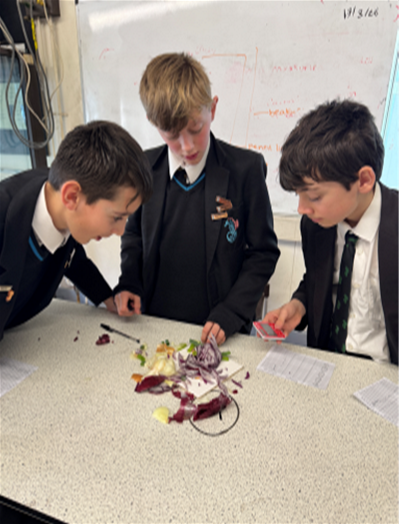
Year 8 students explored how fossils form and created their own trace fossils, investigated how natural dyes can be made from plants such as spinach and red cabbage, examined the science behind why onions make us cry, and tested how geometry strengthens structures by building paper bridges to see which design could hold the most weight.
Year 9 students investigated floating and boat design, tested which substances produce the most gas when reacting with vinegar, and explored how astronaut foods compare nutritionally with fresh foods by testing samples for sugar and vitamin C.
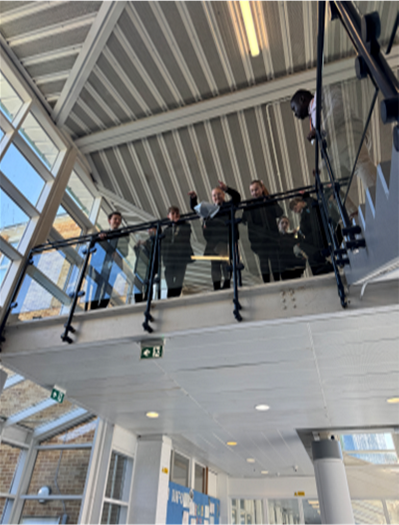
Students across KS3 were also treated to a lesson with special guest Dr Jon Wilden from the University of Sussex who spoke to students about spectroscopy, a scientific method that studies how different substances absorb, emit, or reflect light to find out what they are made of. Students had the opportunity to try out this specialist equipment to see if they could identify the elements found in different substances with some spectacular results!
A huge thank you to our exceptional science team for organising such engaging activities and helping students develop their curiosity and enthusiasm for STEM during National STEM Week 2026.